

 FIND A DEALER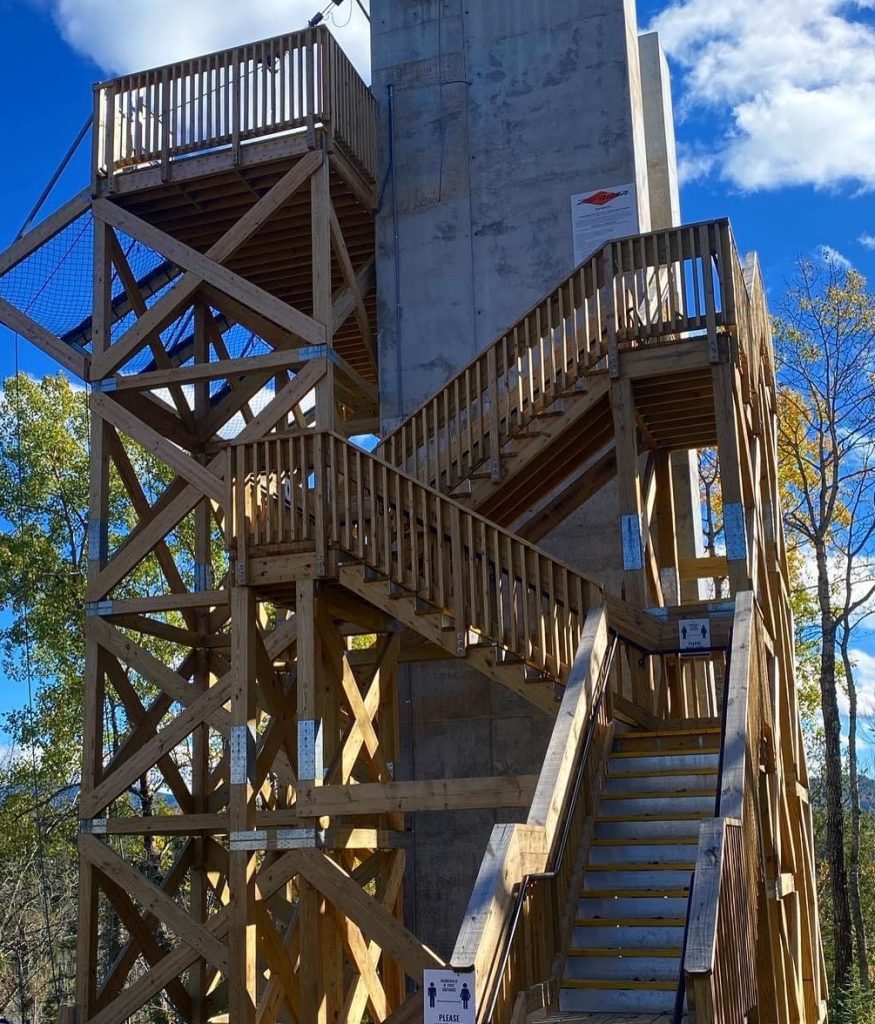
The Cost Advantage of Pressure-Treated Wood for Commercial and Infrastructure Projects
A Smarter Way to Deliver Long-Term Material Value
In today’s commercial and infrastructure environments, project teams are under pressure to deliver structures that perform for decades—often with tighter budgets and higher expectations than ever before. Material choices are no longer judged solely on upfront price, but on how well they hold up over time, under heavy use, and in demanding conditions. In fact, durability-related repairs and premature replacement are among the most significant contributors to unexpected project costs over a structure’s lifespan.
When considering a project’s full lifecycle, including initial material investment, installation, ongoing maintenance, and eventual replacement, pressure-treated wood delivers a clear cost advantage.
Its inherent resistance to decay, insects, and moisture extends service life, reduces maintenance demands, and minimizes costly downtime. The result is a material that not only meets performance requirements but also helps owners and project teams control total ownership costs for commercial and infrastructure applications.
Understanding Pressure-Treated Wood
Pressure-treated wood has a long track record of performance in the tough environments common to commercial and infrastructure projects. It begins as dimension lumber or timbers that are placed inside a sealed pressure cylinder, where air is removed and treatment chemicals are forced deep into the wood fibers. This process ultimately protects the wood from decay, moisture damage, and insect attack once installed—particularly vital in ground-contact or high-exposure applications.
In addition, pressure-treated wood is offered in standardized treatment levels for above-ground, ground-contact, freshwater, and structural use, allowing specifiers to match a project’s performance requirements. Ground-contact and structural grades are engineered to handle constant moisture, soil exposure, and load-bearing demands.
This versatility makes pressure-treated wood a cost-effective, go-to material for commercial and infrastructure projects, including bridges, boardwalks, utility structures, retaining walls, and even recreational site amenities.
Cost Efficiency from Day One
Choosing pressure-treated wood can significantly reduce the initial investment for a project. Unlike alternative materials – steel, aluminum, concrete, or composites – that may require higher upfront costs for comparable durability or performance, pressure-treated wood delivers long-lasting strength at a fraction of the price. This cost efficiency allows project teams to allocate budget to other critical areas, such as labor, design enhancements, or additional safety measures. By lowering material expenses from the start, projects can achieve both financial and operational flexibility.
Pressure-treated wood also supports sustainability goals by reducing resource consumption. Its long service life eliminates the need for frequent replacement and minimizes material waste over time. When paired with its installation efficiency and low maintenance requirements, pressure-treated wood offers a cost-effective path to meeting both sustainability objectives and long-term performance expectations.
The material is also easy to install.
Its consistent, standard sizing and ease of handling allow crews to cut, fit, and secure columns and beams efficiently, reducing mistakes and delays. With fewer specialized tools and less preparation needed, labor costs and learning curves are minimized.
Designed for Expression, Engineered for Exposure
Pressure-treated lumber gives architects, designers, and builders the freedom to pursue creative solutions without compromising performance. Wood’s natural, authentic appearance adds warmth and character to outdoor projects with stain, paint, and sealer options for added design versatility.
Easily cut, shaped, and joined, it accommodates a wide range of structural and aesthetic requirements, from custom decking and pergolas to heavy-duty commercial and infrastructure frameworks. Its compatibility with steel, concrete, and other building materials allows it to integrate seamlessly into hybrid designs, while its workability supports efficient on-site modifications and value engineering.
With treatment options tailored to specific exposure conditions and climates, there is a pressure-treated lumber solution for nearly any application.
A Lifecycle-Driven Approach to Material Selection
In an era where every project decision is scrutinized for both performance and cost, pressure-treated wood stands out as a smart, dependable investment for commercial and infrastructure applications. By combining lower upfront material costs, efficient installation, long-term durability, and design flexibility, it helps project teams manage budgets without sacrificing longevity or quality.
When evaluated across the full lifecycle, from construction through decades of service, pressure-treated wood consistently reduces total ownership costs while meeting demanding structural and environmental requirements.
For owners, engineers, and designers, pressure-treated wood has proven to pay dividends long after construction is complete.