

 FIND A DEALER
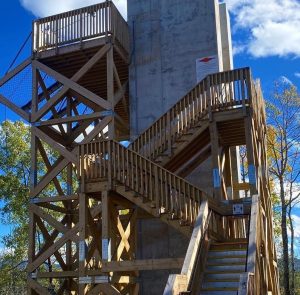
The Cost Advantage of Pressure-Treated Wood for Commercial and Infrastructure Projects
A Smarter Way to Deliver Long-Term Material Value In today’s commercial and infrastructure environments, project teams are under pressure to deliver structures that perform for decades—often with tighter budgets and higher expectations than ever before. Material choices are no longer judged solely on upfront price, but on how well they hold up over time, under…
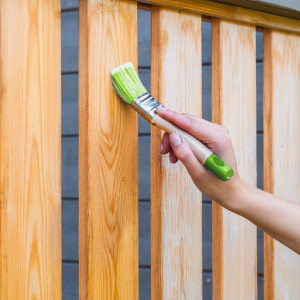
Choosing Between Stain, Paint, or Sealer for a Pressure-Treated Deck
A Guide to Protecting and Enhancing Your Pressure-Treated Deck A deck is more than just a backyard space, it’s an extension of your home and a setting for entertaining friends, relaxing with family, and enjoying the outdoors. For deck construction, the materials and finish you choose play a key role in its aesthetic and how…
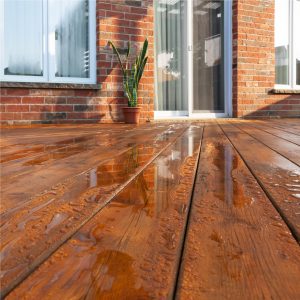
Top Tips for Maintaining Your Pressure-Treated Wood Deck
Follow These Simple Steps for Long-Lasting Beauty A deck can transform your backyard into a relaxing oasis, creating a space for family gatherings, weekend barbecues, or quiet mornings with a cup of coffee. The materials you select to build it, however, make all the difference. Pressure-treated wood is a tried-and-true material for outdoor construction. It…

KDAT Lumber: Taking Pressure-Treated Wood to the Next Level
How Kiln-Dried After Treatment Lumber Improves Performance and Longevity Lumber dealers and builders know that starting with the right wood sets the tone for a successful project. While traditional pressure-treated lumber delivers dependable performance, advanced options take it a step further by minimizing upkeep and maximizing long-term beauty and durability. Enter: Kiln-Dried After Treatment (KDAT).…
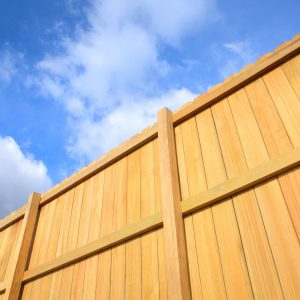
How Pressure-Treated Lumber Supports Long-Life Installations for Decks and Fences
Build Once, Build Right Picture a backyard where the deck doesn’t creak with every step, the fence still stands straight after years of weather, and the wood looks as rich and sturdy as the day on which it was installed. When it comes to outdoor projects, the materials you choose at the start can make…
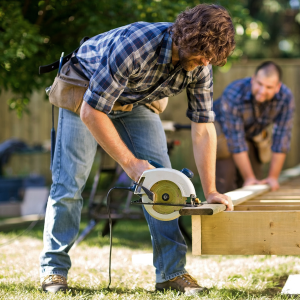
Build Smarter: The Contractor’s Guide to Pressure-Treated Lumber.
The Treated Lumber Checklist Every Contractor Needs Contractors know that every completed project reflects their professional reputation, and the building materials they select are a big part of that equation. When it comes to pressure-treated lumber, picking the right product for a job is not just a matter of longevity, it is about safeguarding the…
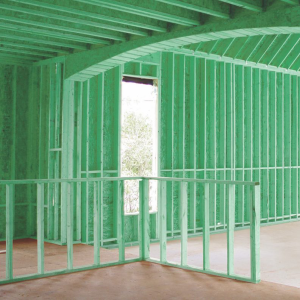
Behind the Walls: Borate-Treated Lumber
The Hidden Hero of Homebuilding When homeowners think about building or renovating a house, their focus is on what they encounter every day and what will increase functionality and beauty – countertops, paint colors, stylish fixtures, or accent pieces. They are not necessarily thinking about what sits behind the walls, the bones of the structure. …
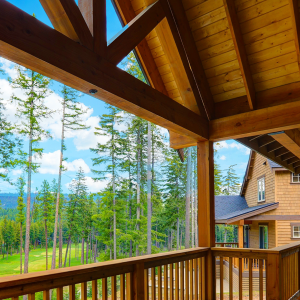
Treated Timbers for Building Strong Foundations
Pressure-Treated Wood: The Key to Long-Lasting Foundations Building a sturdy and long-lasting structure hinges predominantly on its foundational elements. But what happens when that foundation faces relentless challenges from moisture, rot, and destructive pests? Traditional building materials like concrete, wood, and brick can often fall short. Specifically, untreated wood becomes a home for fungi and…
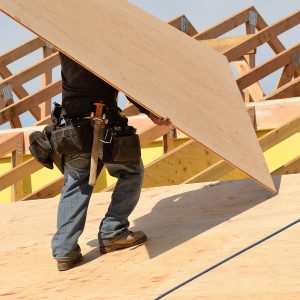
What You Need to Know About Pressure-Treated Plywood
How to Choose the Right Pressure-Treated Plywood for Your Construction Project Although a relatively simple product, plywood is a versatile material that is used for a variety of purposes in construction. From framing to sheathing, flooring, roofing, and even light partitions, walls, and siding, this type of engineered wood is made from three or more…

Preserving America’s Infrastructure with Pressure-Treated Wood
A Durable, Sustainable Solution for Bridges, Marine Structures, and Other Industrial Applications America’s infrastructure is at a crossroads. Consider the facts. According to a 2021 report by the American Society of Civil Engineers, 42% of the 617,000 bridges in the U.S. are at least 50 years old, and 7.5% of them are considered structurally deficient.…